

Skaform Plastic Slab Formwork
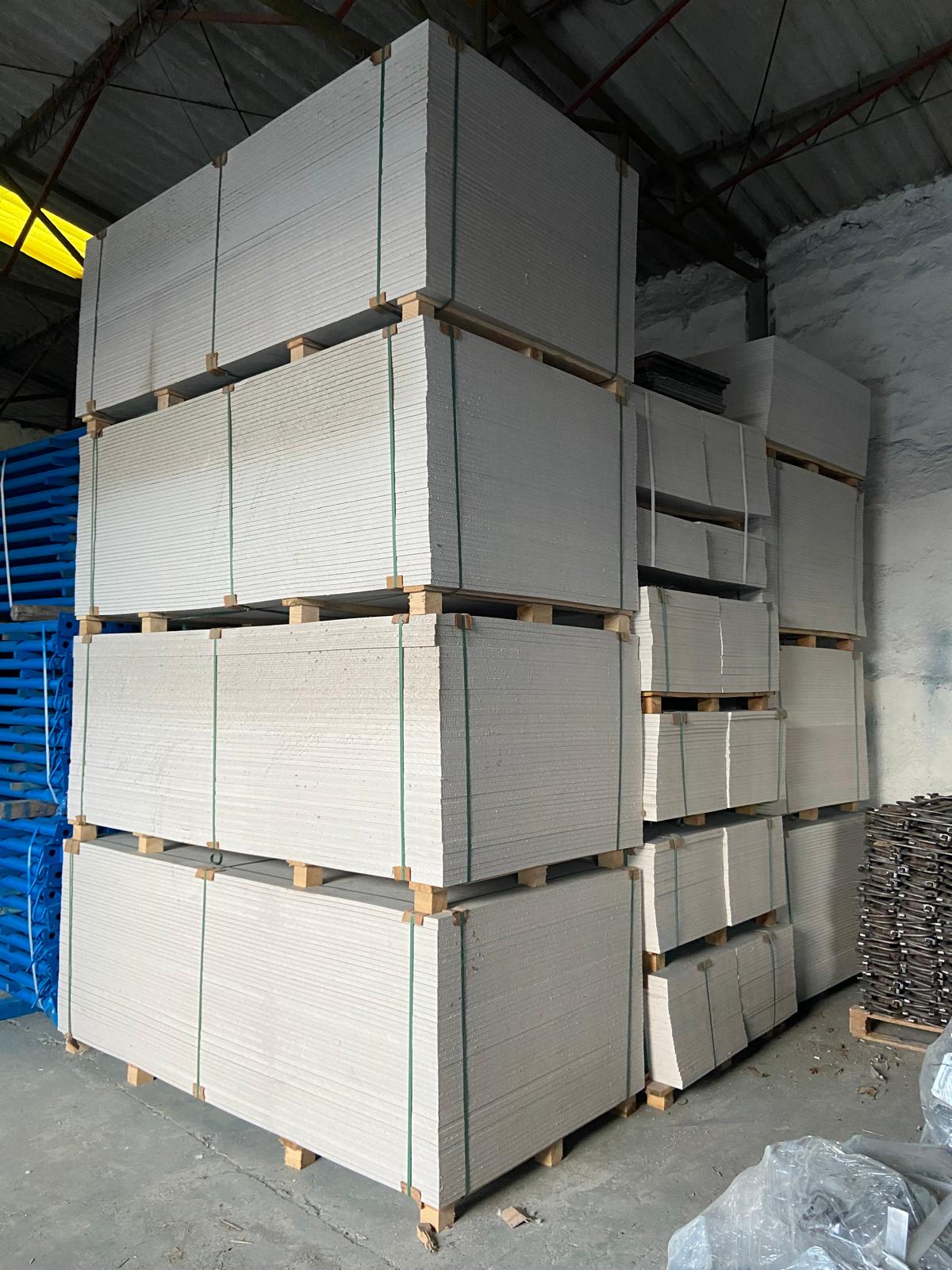
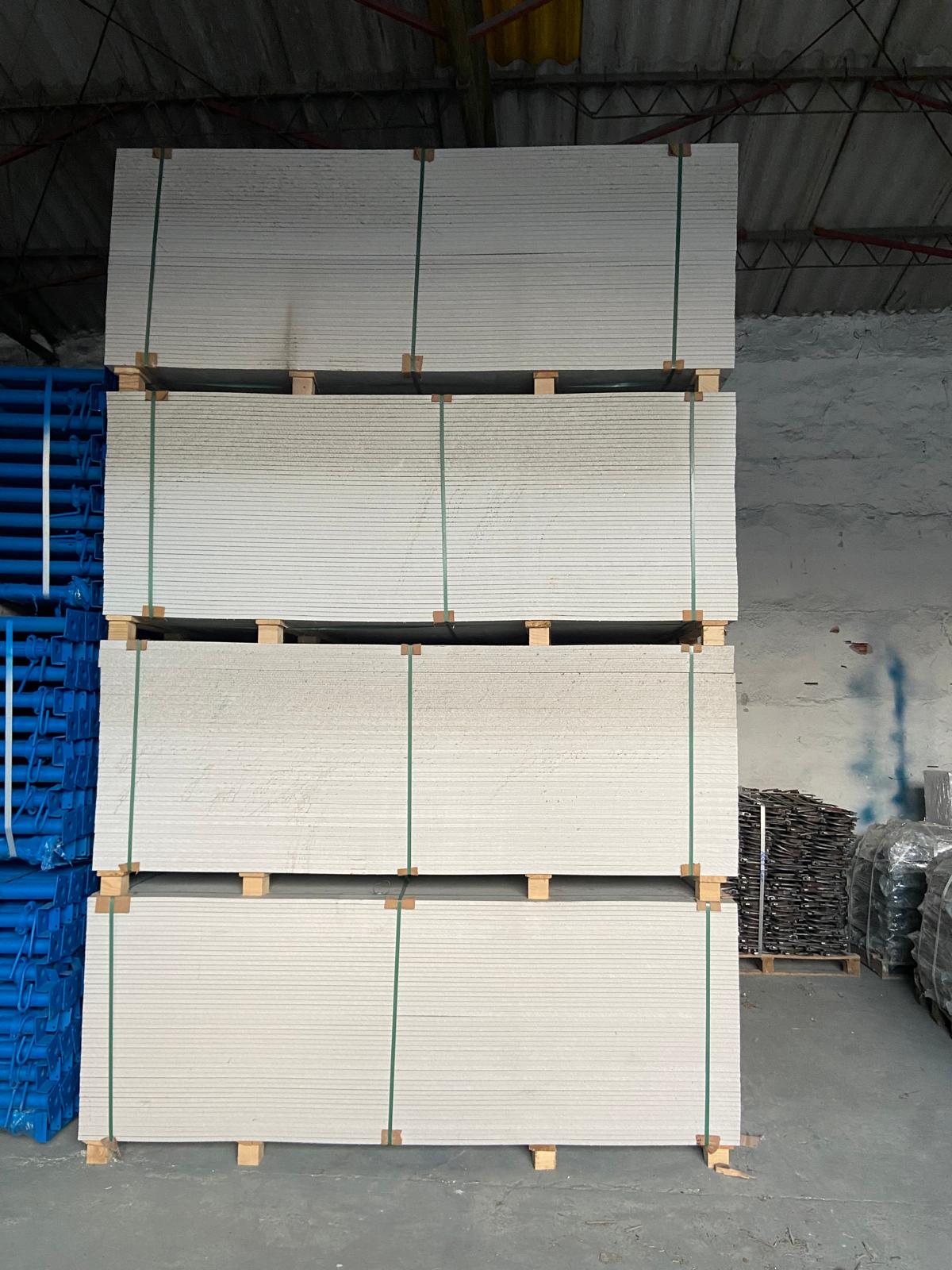
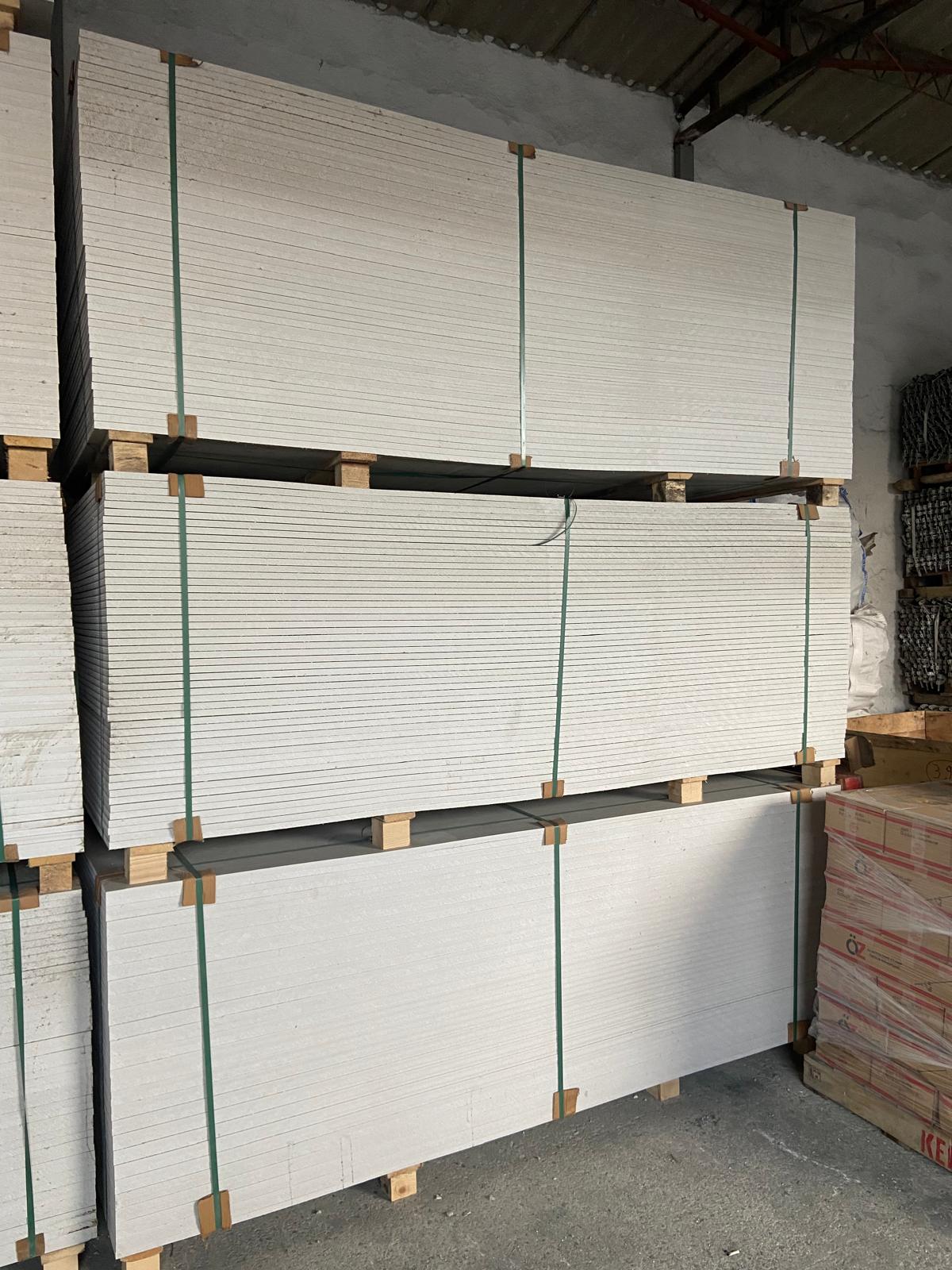
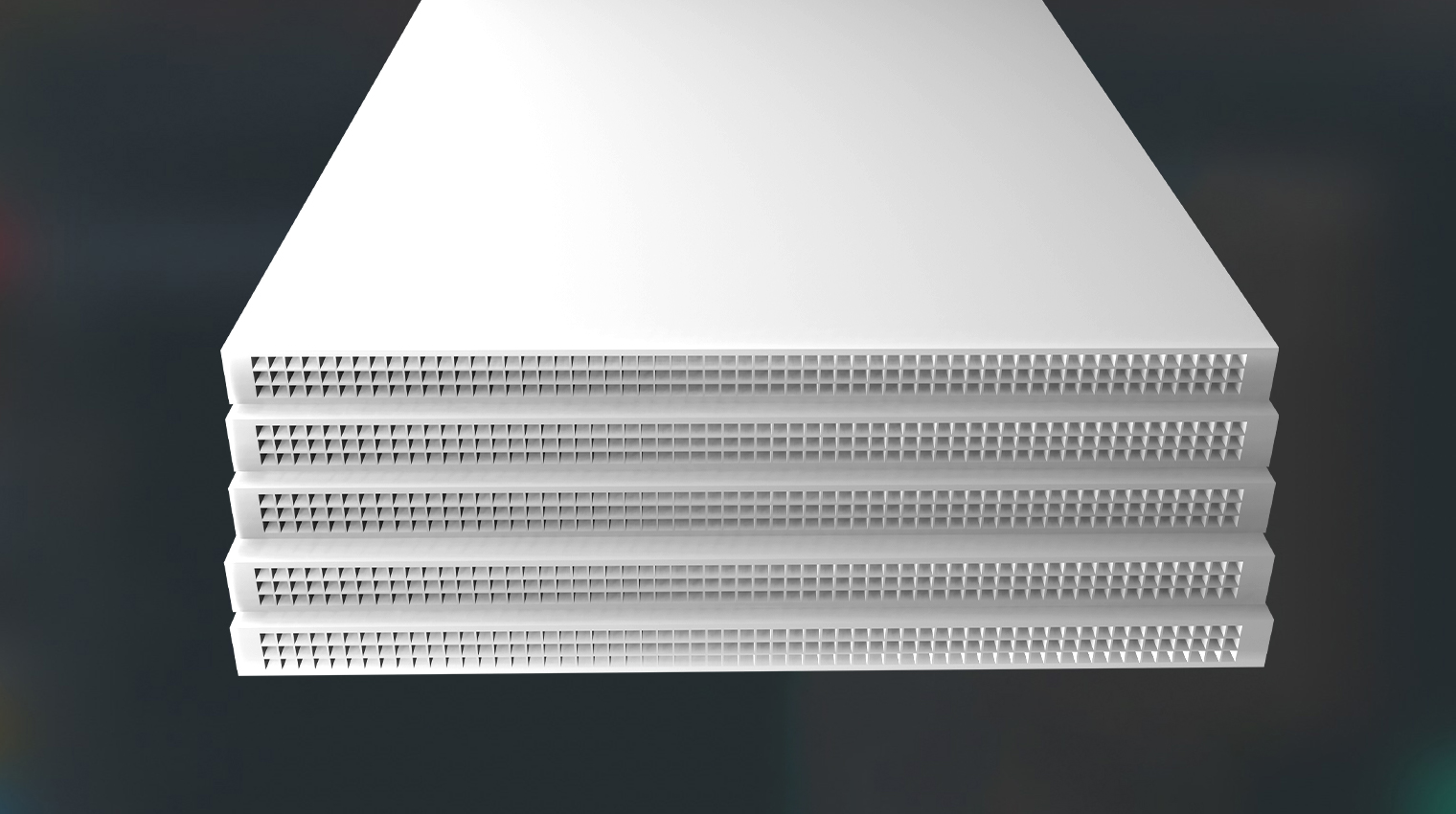
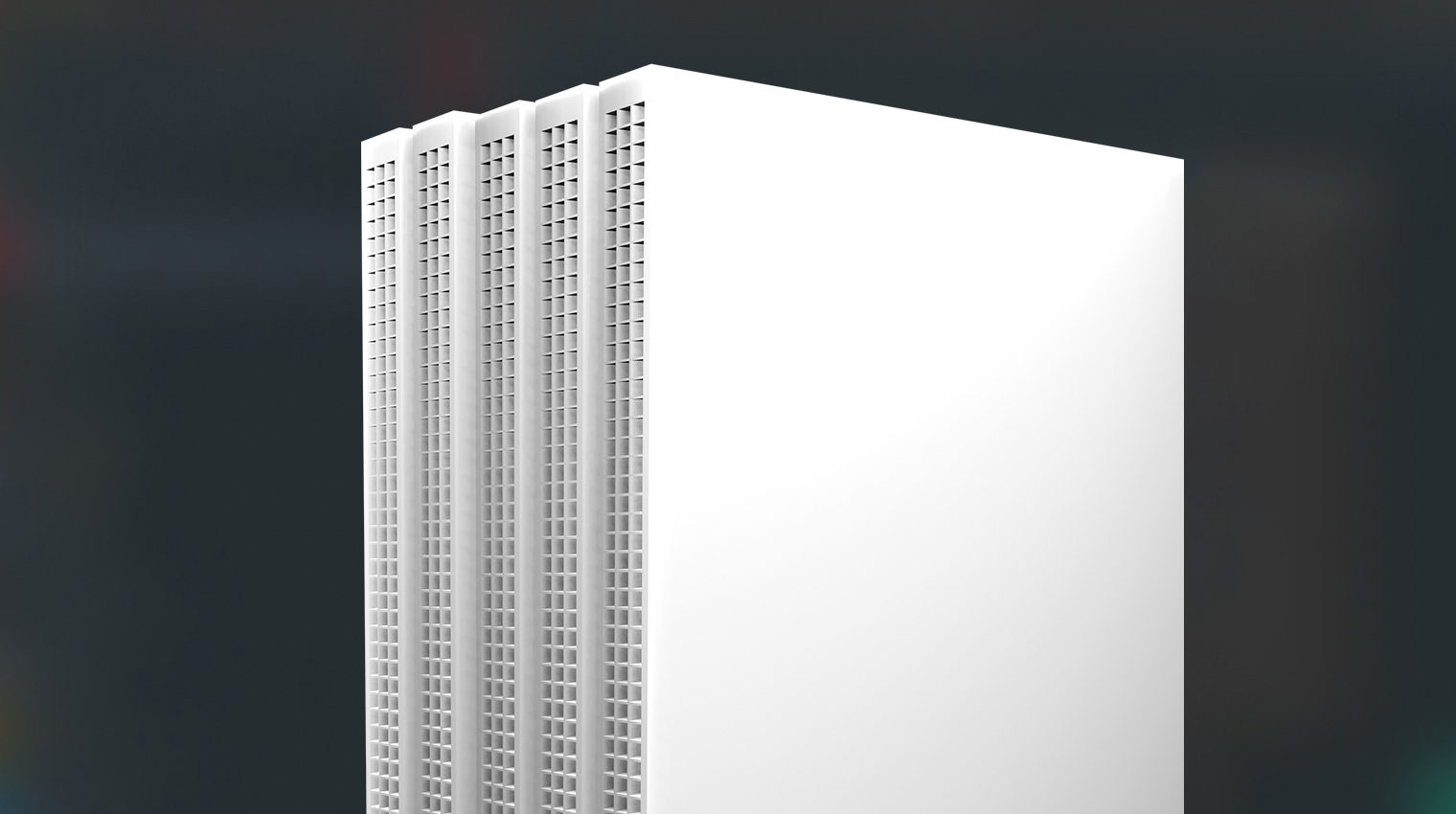
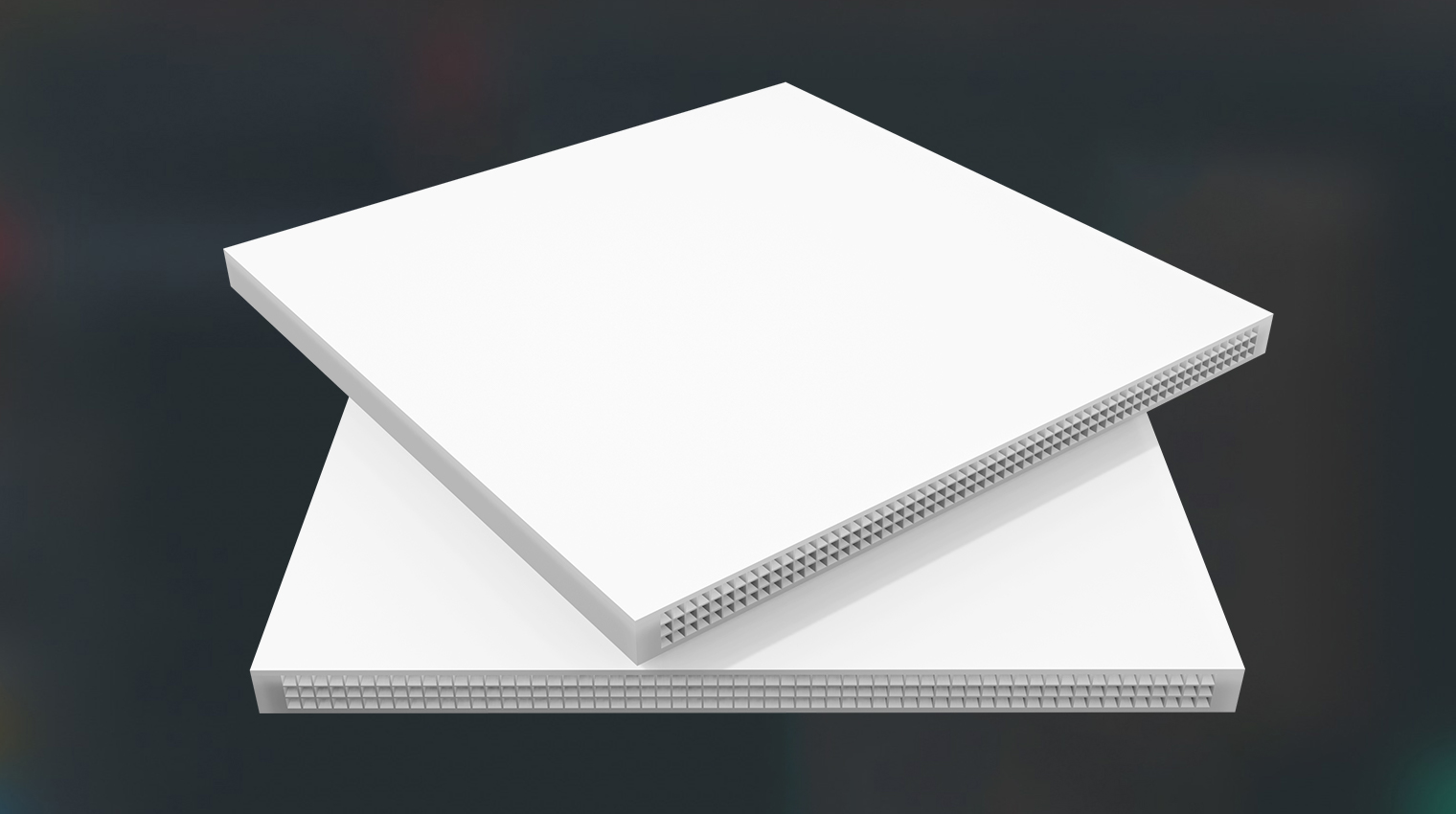
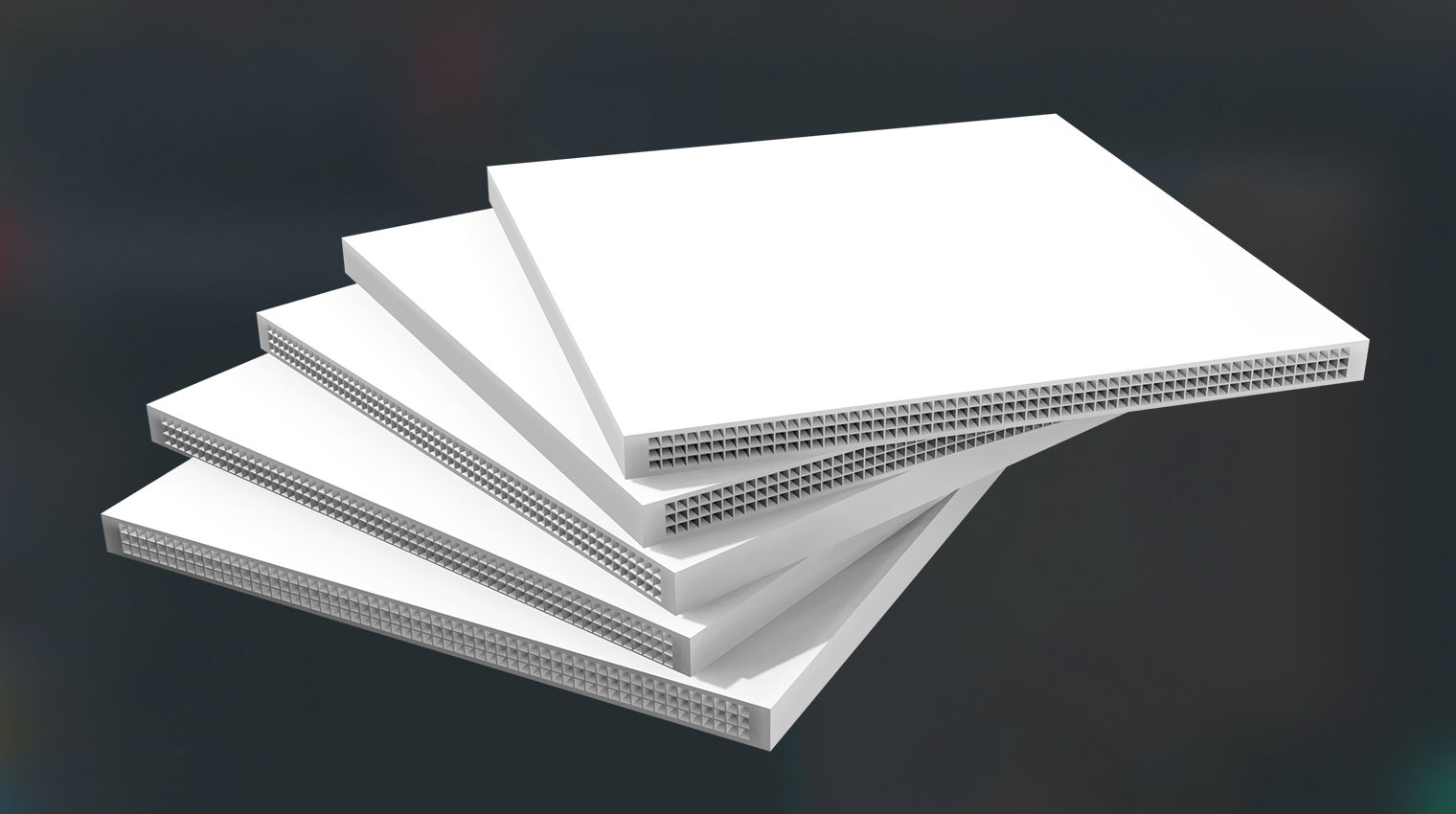
Click a photo to enlarge it.
Skaform Plastic Formwork
Skaform is a plastic formwork panel produced with nanotechnological raw materials and nano polymer additives. It is a strong alternative to timber, composite, steel and film-faced plywood formwork systems. Skaform is a registered trademark of İS-KA.
What is Skaform?
Skaform is a plastic (polymer) slab formwork developed as an alternative to plywood and conventional formwork. Compared with plywood, first-generation plastic formwork and conventional formwork, it is more durable, lasts longer and puts less strain on the environment.
Thanks to its polymer structure it withstands impact, is unaffected by water and chemicals, and wears very little. Skaform saves labour and time; it needs less maintenance than conventional formwork and lowers operating costs in the long run.
Rediscover quality and durability in construction with Skaform!
Why Skaform?
Ideal Dimensions
18 mm × 125 × 250 cm panels give efficient, easy handling. Compatible with thicknesses from 12 to 21 mm.
Easy to Use
Can be nailed and cut like plywood. Offers clear advantages over first-generation PVC formwork systems.
High Durability
Resistant to hard knocks and impacts.
Long Service Life
Offers at least 3 years of service even under the toughest site conditions. Unaffected by moisture, mould, water and pests.
Water and Chemical Resistant
Resistant to all weather and environmental conditions. Needs no surface maintenance and can be stored anywhere.
Recyclable
Recycled by weight, so there is no loss or waste. Its environmentally friendly structure supports sustainable construction.
Holds Nails and Screws
Holds nails and screws securely and allows reuse.
No Release Agent Needed
Its long-lasting glossy surface and high hardness prevent concrete from sticking. No release agent or oil is needed; it is easily cleaned with water and a mop.
Smooth Concrete Surface
Stays smooth and glossy without any secondary coating. The inner surface is transferred faithfully to the concrete for a clean finish.
Easy Striking
Panels are easily stripped by hand. As the surface does not bond with concrete, striking is quick and needs no extra equipment.
Frequently Asked Questions
Is Skaform affected by rain?
No. Skaform is highly resistant to all weather and environmental conditions. Rain, moisture and frost do not damage the product.
Can Skaform be cut?
Yes. Skaform can be nailed and cut like plywood and is easily worked with standard construction tools.
Is it long-lasting?
Yes. It offers at least 3 years of service even under the toughest site conditions and is unaffected by moisture, mould, water and pests.
Is it durable?
Yes. It has the highest level of impact resistance and is resistant to hard knocks and impacts.
Is it compatible with 18 mm plywood?
Yes. Its practical dimensions give top formwork efficiency when used together with 18 mm plywood.
Can it be used for columns and walls?
Yes. According to technical test results it can be used in horizontal and vertical applications with grid and waler systems, and it is successfully used for column and wall formwork.
Can a nail hole be reused?
Yes. Skaform holds nails and screws securely and allows reuse.
Is a release agent or form oil needed?
No. Skaform's long-lasting glossy surface and high hardness naturally prevent concrete from sticking. No release agent or oil is needed; it is easily cleaned with water and a mop.
For which concrete thicknesses can it be used safely?
According to the manufacturer's instructions for use, Skaform is used on slabs with a static concrete thickness of up to 30 cm, with support spacing not exceeding 30-35 cm. Its deflection limit is only 2 mm, far below that of conventional plastic formwork systems.